
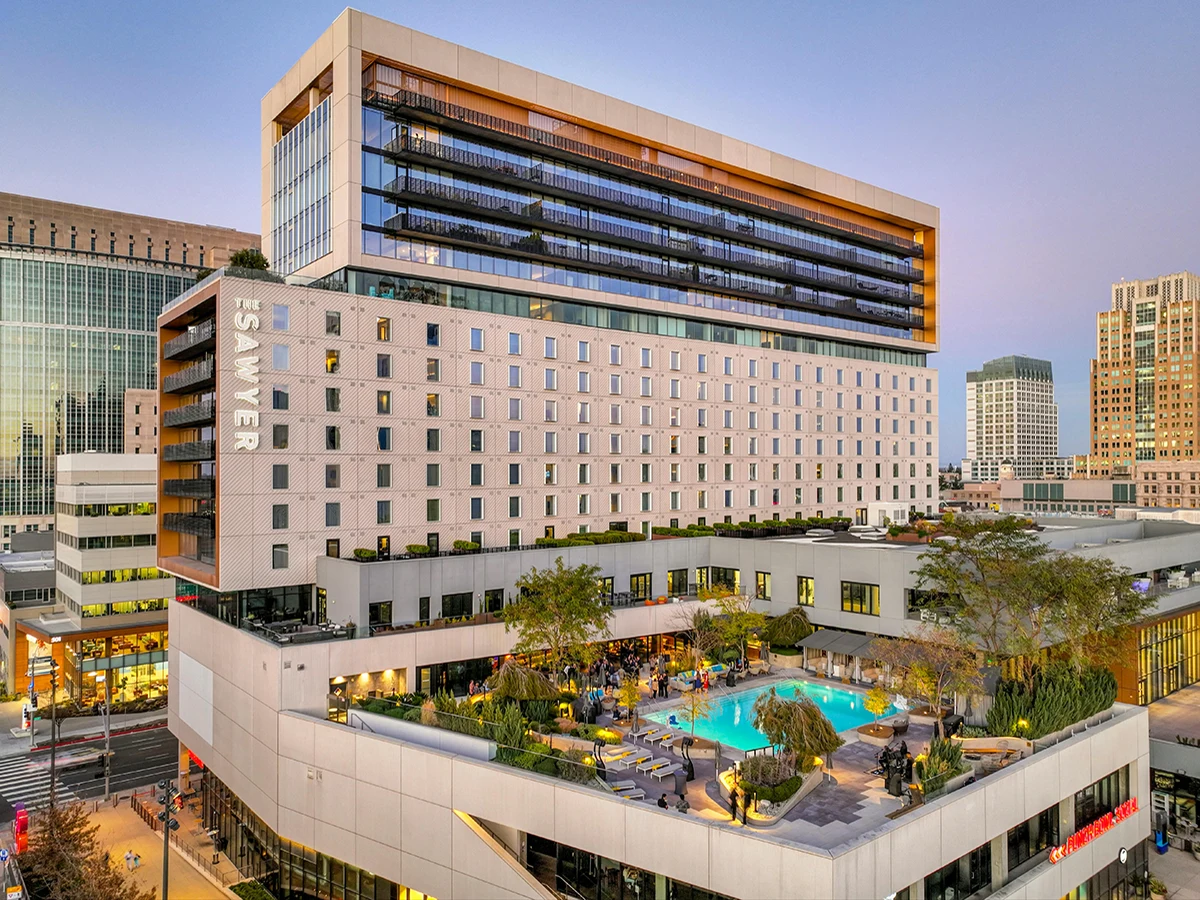
In today’s urban landscape, successful real estate developments extend beyond brick-and-mortar construction to create vibrant, resilient communities. Heterogeneous agglomeration planning—a strategy that clusters diverse land uses and functionalities—has emerged as a transformative approach in urban design. This article examines the scientific foundations and strategic implementations of heterogeneous agglomeration planning, demonstrating how it turns traditional developments into living, dynamic communities that foster economic vitality, social cohesion, and environmental sustainability.
Introduction
Modern urban environments thrive on diversity. Conventional real estate projects that focus solely on a single function (such as residential or commercial) often miss the synergies that come from integrated, multifunctional spaces. Heterogeneous agglomeration planning, rooted in the theories of agglomeration economies (Marshall, 1890; Fujita, Krugman, & Venables, 1999), is redefining urban development. By intentionally blending residential, commercial, cultural, and recreational uses within a single project, developers can create dynamic ecosystems that not only generate economic value but also cultivate a distinct sense of place and community.
Theoretical Foundations of Heterogeneous Agglomeration
– Economic Synergies and Spatial Clustering
The concept of agglomeration economics suggests that the spatial concentration of diverse industries can yield significant external benefits. Classic research by Marshall (1890) laid the groundwork for understanding how proximity fosters shared labor pools, knowledge spillovers, and enhanced productivity. Modern urban studies, notably by Fujita, Krugman, and Venables (1999), extend this idea by demonstrating that heterogeneous agglomerations—clusters that mix various economic activities—are catalysts for innovation and economic resilience.
- Social and Cultural Vibrancy
Urban theorist Jane Jacobs (1961) famously argued that the vitality of a city stems from its mix of uses and the spontaneous interactions they encourage. Heterogeneous agglomeration planning leverages this principle by designing spaces that encourage diverse social interactions and cultural exchanges. This integration of varied land uses not only supports economic activity but also creates communities where residents feel a strong connection to both the built environment and their neighbors.
- Environmental and Sustainability Advantages
A mixed-use approach promotes environmental sustainability by reducing the need for long commutes and fostering pedestrian-friendly communities. Research by Newman and Kenworthy (1999) has shown that integrated urban environments contribute to lower carbon emissions and improved public health. By prioritizing sustainability, heterogeneous agglomeration planning also enhances the long-term viability and appeal of urban developments.
Strategic Implementation in Real Estate Projects
- Integrative Master Planning
Successful heterogeneous agglomeration starts with a comprehensive master plan that integrates multiple land uses into a cohesive whole. Key elements include:
- Mixed-Use Zoning: Flexible zoning policies that encourage the coexistence of residential, commercial, and cultural activities.
- Public Spaces: Thoughtfully designed parks, plazas, and community centers that serve as common ground for diverse groups.
- Connectivity: A robust transportation network, including pedestrian pathways and public transit options, that seamlessly links different parts of the development.
Example: Urban renewal initiatives in cities like Barcelona have demonstrated the power of mixed-use zoning in revitalizing underutilized areas, creating vibrant communities that attract investment and foster innovation (Florida, 2012).
- Creating Economic and Social Feedback Loops
Heterogeneous agglomeration fosters a virtuous cycle: economic diversity drives social interactions, and these interactions, in turn, stimulate further economic activity. For instance, residential areas adjacent to commercial spaces generate consistent foot traffic, boosting local businesses, while cultural venues and recreational facilities attract diverse groups, further enhancing the economic and social fabric of the community (Glaeser, 2011).
- Integrating Smart Technologies
Modern developments increasingly incorporate smart city technologies to manage and optimize resources. Real-time data analytics, IoT-enabled infrastructure, and adaptive energy systems contribute to a responsive urban environment that can adjust to residents’ needs. This technological integration not only improves operational efficiency but also enriches the quality of life, making the community more attractive to residents and businesses alike.
Case Studies: Transforming Urban Landscapes
- The Pearl District, Portland, Oregon
Once an industrial zone, Portland’s Pearl District has been transformed into a vibrant, mixed-use community through strategic heterogeneous agglomeration planning. The district now features a blend of loft-style residences, trendy retail spaces, art galleries, and public parks. This integration has led to a surge in economic activity, increased property values, and a renewed sense of community identity.
- Mixed-Use Developments in European Cities
European cities have long embraced the benefits of mixed-use development. Projects in cities like Copenhagen and Berlin illustrate how heterogeneous agglomeration can revitalize urban neighbourhoods, reducing urban sprawl while promoting sustainability and economic diversification. These developments serve as models for creating urban environments where diverse populations thrive together.
References
- Florida, R. (2012). The Rise of the Creative Class, Revisited. Basic Books.
- Fujita, M., Krugman, P., & Venables, A. J. (1999). The Spatial Economy: Cities, Regions, and International Trade. MIT Press.
- Glaeser, E. (2011). Triumph of the City: How Our Greatest Invention Makes Us Richer, Smarter, Greener, Healthier, and Happier. Penguin Press.
- Jacobs, J. (1961). The Death and Life of Great American Cities. Random House.
- Marshall, A. (1890). Principles of Economics. Macmillan.
- Newman, P., & Kenworthy, J. (1999). Sustainability and Cities: Overcoming Automobile Dependence. Island Press.
At Stallions Group, we believe that the future of urban development lies in creating communities that resonate with life and diversity. Discover how our strategic approach to heterogeneous agglomeration planning can help you shape communities with both economic strength and a soul.


Leave A Comment